The Christian Service University (CSU) has launched its new flagship postgraduate programme, Doctor of Ministry (DMin) in Christian Leadership and Management.
The impressive inaugural ceremony brought together distinguished academics, church leaders, captains of industry, as well as friends and partners of the University.
Delivering the keynote address, The Chancellor of the University, and former Presiding Bishop of the Methodist Church, Ghana, 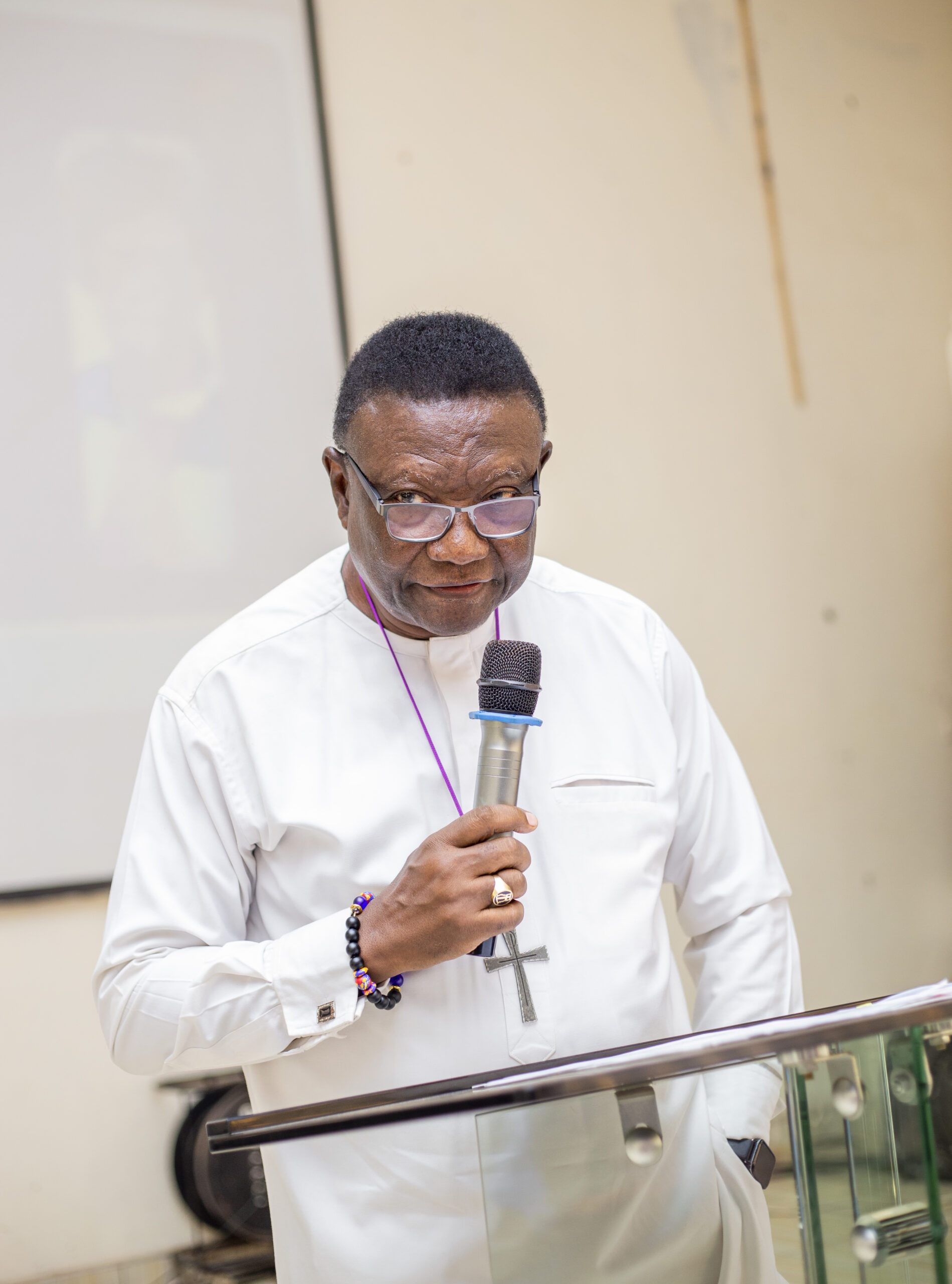 Most Rev. Prof. Emmanuel Asante, said the DMin programme has become one of the most important advanced personal degrees for Christian leaders who seek to unite rigourous theological reflection with effective ministerial practice. He said the programme is designed for practitioners who remain embedded in ministry while engaging in sustained academic inquiry. The Programme’s distinctive contribution is to bridge scholarship and practice, equipping pastors, chaplains, non-profit leaders, and other public-facing faith leaders to interpret complex realities with theological depth and respond with wisdom, innovation, and practical competence.
Speaking on the topic, “Bridging Scholarship and Practice: The Role of the Doctor of Ministry in Contemporary Church and Societal Leadership,” Most Rev. Prof Asante argued that the “DMin programme is a vital model of leadership formation because it integrates theological study with applied research, strengthens contemporary church leadership, extends the church’s witness into social and public engagement, and equips leaders to navigate emerging challenges with intellectual seriousness, spiritual grounding and contextual responsiveness.”
Drawing parallels from renowned theological institutions such as Asbury Theological Seminary, Fuller Seminary and Duke Divinity School in the US, he said the DMin is uniquely structured between academy and practice, to prepare leaders not merely to consume scholarship, but to interpret, test, and translate it within local contexts. “The minister thus becomes a reflective practitioner – one who listens to Scripture and tradition, engages contemporary research, reads the signs of the times, and crafts responses that are faithful to context.” In this way the DMin advances a form of leadership that is both intellectually accountable and missionally engage, he added.
Touching on what he described as the core competencies to be developed in the DMin, Most Rev. Prof. Asante mentioned six key abilities, these are: Theological integration, Contextual intelligence, Applied research, Adaptive leadership, Pastoral discernment, and Public engagement.
Looking ahead, he said, the DMin Programme is well positioned to shape the future of church and social leadership. As ministry becomes increasingly interdisciplinary and globally interconnected, faith leaders will need advanced preparation in digital ministry, trauma-informed care, intercultural leadership, organizational ethics, public theology and community collaboration. He said the DMin can serve as a crucial incubation for these emerging forms of leadership because “it anchors innovation in theological depth and contextual practice. Its greatest contribution may be the formation of leaders who can think critically, act pastorally, research responsibly, and lead courageously in service of both church and society.”
In his welcome address, the Ag. Vice Chancellor, Dr. Stephen Banahene 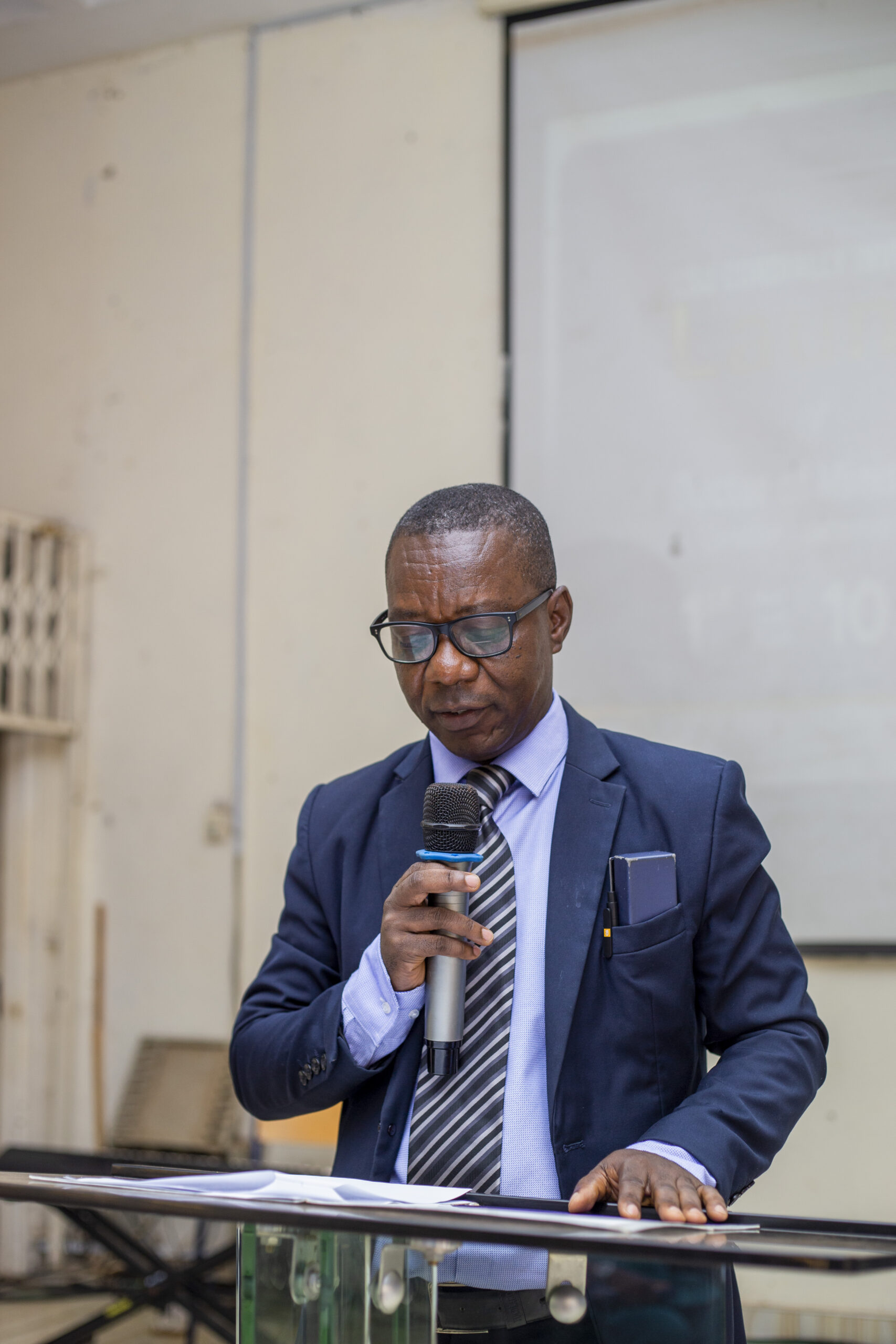 said the launch is not merely the introduction of a new academic programme, but the unveiling of a vision to equip Christian leaders for greater impact in ministry, governance, organization leadership, and national transformation. He paid glowing tribute to the Chancellor, and the immediate past Vice Chancellor, and the Faculty of Theology, for their vision and leadership through the challenging processes of programme accreditation.
CSU’s Doctor of Ministry in Christian Leadership and Management is distinctively designed to equip current and emerging leaders from across all disciplines with the theological depth, ethical grounding, and practical leadership competencies needed to drive meaningful transformation in churches, organisations, and society at large.
The three-year DMin programme is set to begin in September 2026, with a hybrid (in-person and online) and a program structure comprising one year of taught courses followed by two years dedicated to a thesis.