
Christian Service University (CSU) can cut its waste, water and energy costs substantially through low-cost, evidence-based interventions such as source segregation, leak repairs and LED lighting, an environmental scientist from the Kwame Nkrumah University of Science and Technology (KNUST) told staff at the university’s academic retreat on Friday.
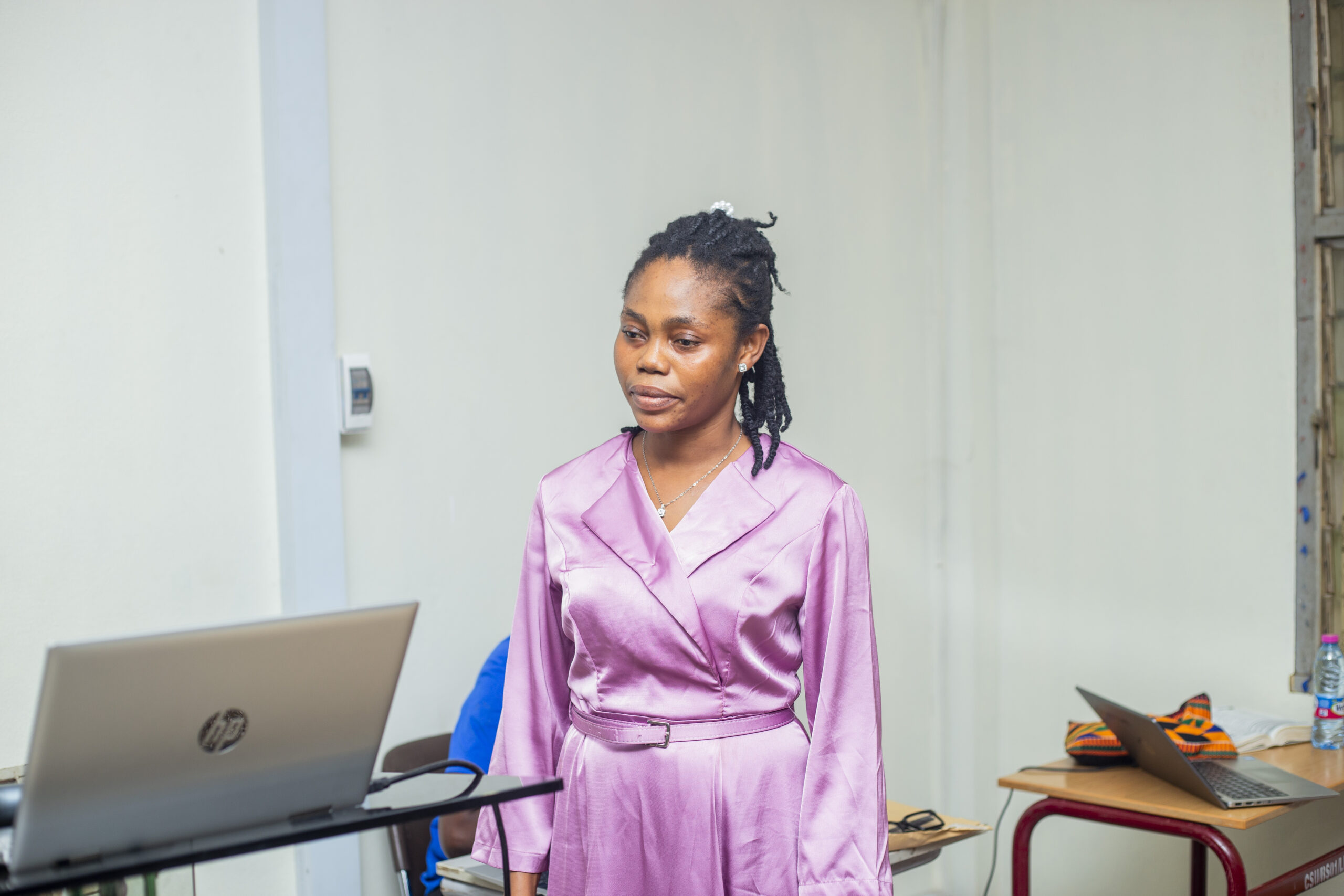 Dr. Mrs. Lydia Otoo Amponsah, of KNUST’s Department of Environmental Science, presented the scientific and practical dimension of the retreat’s theme, “Transforming the Campus through Environmental Care and Excellent Service Delivery”.
Dr. Amponsah said campus waste in Ghana is dominated by organic material, and that a three-bin system separating organic, recyclable and residual waste, paired with composting, could cut landfill volumes by roughly half. She urged CSU to end open burning of waste, citing the release of dioxins and fine particulate matter linked to respiratory illness, and recommended a formal collection contract with a Kumasi Metropolitan Assembly-accredited operator.
On water and drainage, she called for weekly desilting of gutters ahead of and during the rainy season to curb flooding and mosquito breeding, alongside fixes for leaking taps and installation of water-saving fixtures and handwashing stations near canteens and washrooms.
 Citing Ghana Environmental Protection Agency data, Dr. Amponsah said replacing incandescent and fluorescent bulbs with LED lighting could cut related energy use by 60 to 85 percent, and referenced a 300-kilowatt solar installation at KNUST, including a 30-kilowatt system at its College of Health Sciences, as a regional model. She also proposed a maintenance reporting system, such as a WhatsApp line or logbook, through which students could flag broken bins, faulty lights or blocked drains for repair within 24 to 48 hours.
Dr. Amponsah placed the recommendations against a national backdrop, citing figures that Ghana generates about 13,000 tonnes of solid waste daily, most of which ends up in landfills, and that poor waste management costs the country more than GH¢6.2 billion annually, according to estimates from the Institute of Statistical, Social and Economic Research (ISSER).
 She proposed that CSU establish a Green Campus Committee drawing representatives from management, facilities, the Students’ Representative Council, hostel wardens, chaplaincy and cleaning staff, meeting monthly and tracking simple, publicly posted indicators such as the share of waste composted and the number of faults resolved within 48 hours. She suggested the committee could be partly self-funded through a modest sanitation levy and the sale of compost and seedlings from a campus nursery.
Beyond management structures, Dr. Amponsah argued that sanitation cannot rest on cleaning staff alone, noting that a single cleaner cannot offset the cumulative litter of hundreds of students, and that shared environmental risks such as cholera and typhoid affect the entire campus community regardless of role. She also framed environmental stewardship as a Christian principle consistent with CSU’s institutional identity, and said graduates who learn habits of care on campus are likely to carry them into workplaces and communities after school.
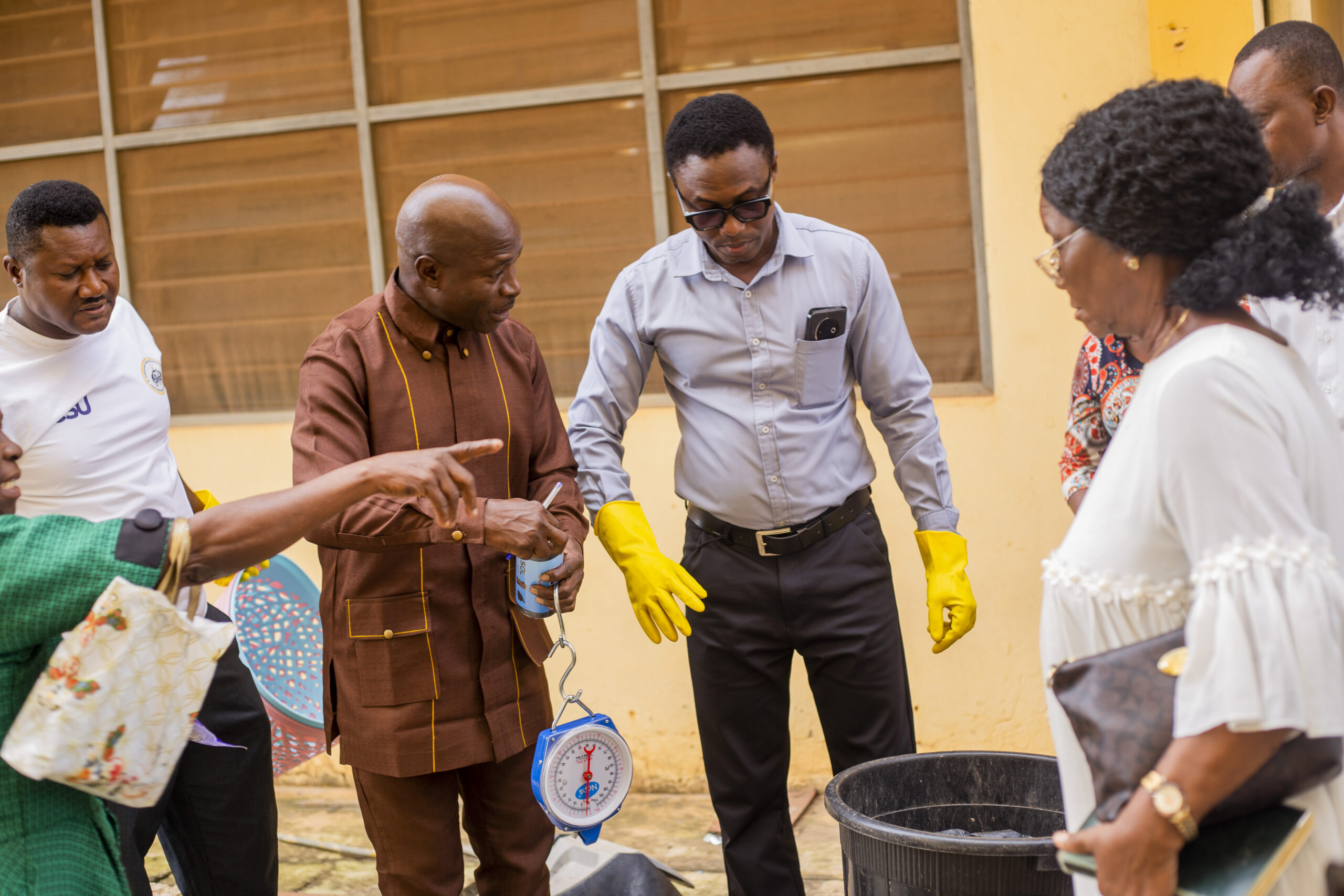
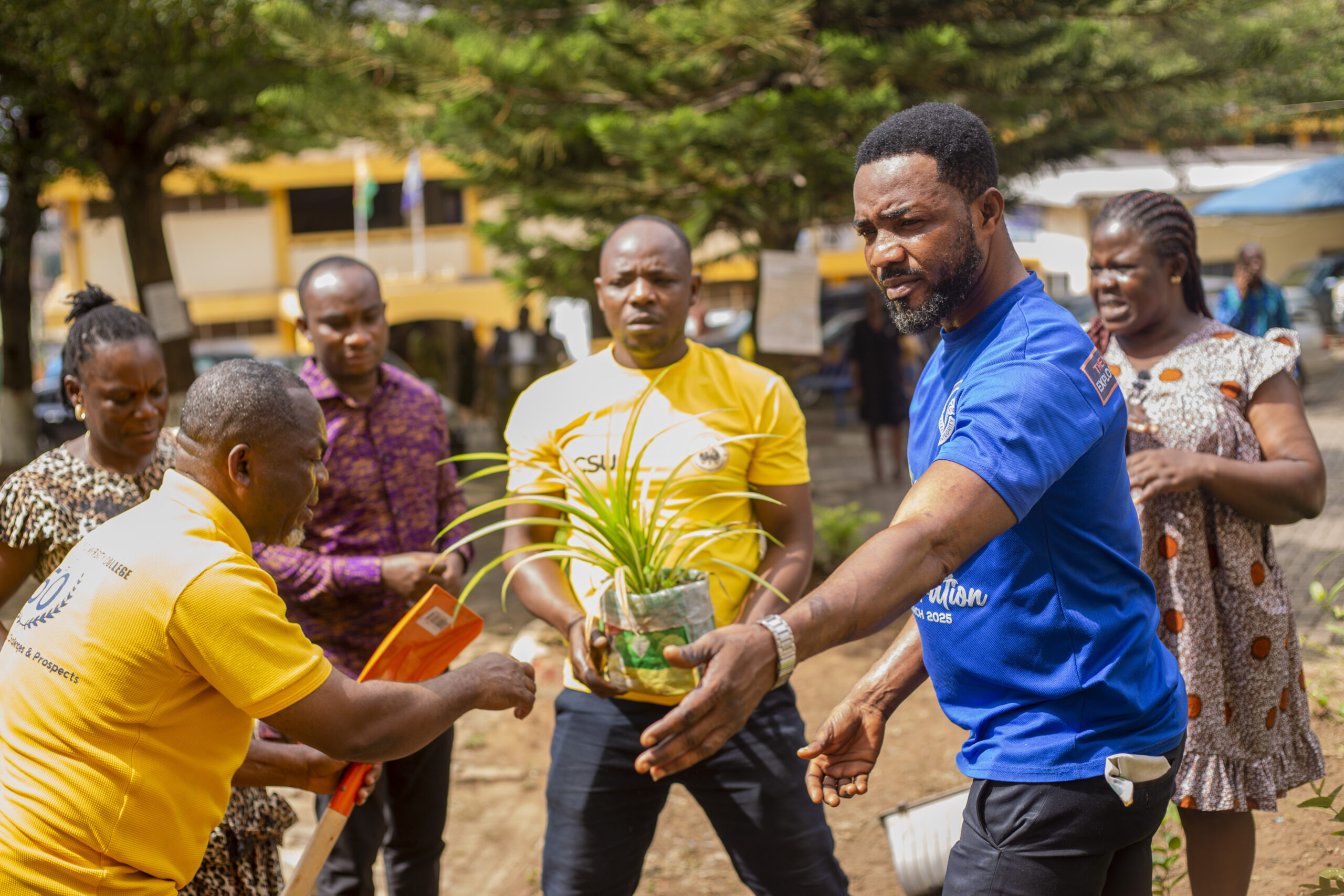
The presentation formed part of a session that included a hands-on waste audit and an energy audit paired with tree planting, allowing retreat participants to apply the concepts on campus.
Dr. Amponsah holds a PhD in Environmental Chemistry from KNUST with research interests in heavy metal pollution and wastewater treatment.